Contact Us at 803-504-3908 press 2

Driveway Standards
A homeowner‑friendly guide explaining 2026 driveway standards in South Carolina — including thickness, reinforcement, curing time, climate considerations, and realistic cost ranges.
Lee Jones
6/9/20262 min read
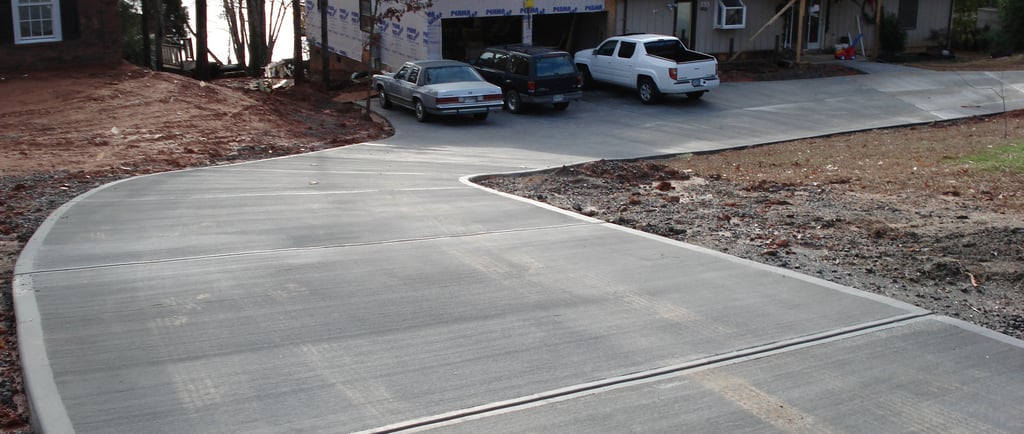
Concrete Driveways in South Carolina: What Homeowners Should Expect in 2026
A concrete driveway is one of the most valuable upgrades a South Carolina homeowner can make — but in 2026, rising material standards, climate shifts, and updated contractor practices mean homeowners should know what to expect before hiring anyone.
Below is a clear, contractor‑level breakdown of what matters most when planning a new driveway in the Carolinas.
1. Proper Driveway Thickness (2026 Standards)
South Carolina soil conditions and vehicle loads require a minimum of 4 inches for standard residential driveways. For heavier vehicles, boats, RVs, or work trucks, 5–6 inches is the new recommended standard.
Why thickness matters:
Prevents cracking from vehicle weight
Reduces long‑term maintenance
Improves freeze/thaw durability
Extends lifespan by 10–20 years
Cheap contractors often cut thickness to save money — homeowners should always ask for verified thickness during the pour.
2. Reinforcement: Rebar vs. Wire Mesh
In 2026, reinforcement is no longer optional in South Carolina’s climate.
Best practice:
#3 or #4 rebar on 18–24” centers
Wire mesh only as a secondary reinforcement
Fiber additives for additional crack control
Rebar significantly reduces cracking and shifting, especially in areas with clay‑heavy soil or poor drainage.
3. Curing Time & When You Can Drive on It
South Carolina’s heat and humidity make curing more important than ever.
Standard curing timeline:
Walk on it: 24–48 hours
Park cars: 7 days
Heavy trucks: 14–28 days
Full cure: 28 days
In summer, contractors should use curing compounds or water‑based sealers to slow moisture loss and prevent surface cracking.
4. Climate Considerations for 2026
South Carolina’s weather patterns are trending hotter and wetter. Homeowners should expect:
Faster surface drying → requires controlled curing
More heavy rain events → requires proper grading and drainage
Higher UV exposure → benefits from sealing every 2–3 years
A well‑built driveway must include:
Proper slope (2% recommended)
Compacted base (4–6 inches of stone)
Expansion joints at correct intervals
5. Cost Ranges for 2026
Prices vary by access, thickness, reinforcement, and finish, but here are realistic 2026 ranges:
Standard broom‑finish driveway:
$8–$12 per sq ft
Stamped or decorative driveway:
$14–$22 per sq ft
Add‑ons:
Tear‑out of old driveway: $2–$4 per sq ft
Rebar upgrade: $1–$2 per sq ft
Color or texture: $3–$8 per sq ft
A typical 2‑car driveway (400–600 sq ft) runs $4,000–$12,000 depending on finish and reinforcement.
Final Takeaway
A concrete driveway is a long‑term investment — and in 2026, homeowners should expect higher standards, better reinforcement, and more climate‑focused construction practices.
Medusa Concrete delivers driveways built for the Carolinas: thick, reinforced, properly cured, and engineered to last decades.
Medusa Concrete
Upgrade your patio, driveway, or pool deck with stamped concrete that mimics stone, slate, or brick. Durable, decorative, and professionally installed by Medusa Concrete. In Irmo, Chapin, Columbia South Carolina
stamped concrete
decorative concrete
concrete patios
concrete pool decks
stamped driveways
textured concrete
slate pattern concrete
stone pattern concrete
brick stamped concrete
colored concrete
concrete contractor Garden City SC
Medusa Concrete
outdoor living concrete
custom concrete finishes
residential stamped concrete
Our Partners
In the business industry, great work doesn’t happen alone. It’s built through relationships—trust earned over time, reliability proven through action, and craftsmanship that speaks for itself. At Medusa Concrete, we’ve been fortunate to work alongside subcontractors, vendors, and specialists whose dedication has strengthened every project we touch.
Many contractors guard their best partners closely. And it’s easy to understand why. A dependable subcontractor or supplier is rare, and once you find one, you hold on tight. Schedules fill up, demand rises, and availability becomes precious. Sharing those names can feel like giving away your competitive edge.
But Medusa Concrete believes in a different philosophy.
We’ve gained so much from the people who have supported our work—professionals who show up, deliver quality, and stand behind what they do. Their excellence has helped us grow, and we believe excellence should be recognized, not hidden.
Why We Share Our Partners
Quality deserves visibility. When someone consistently delivers great work, the industry should know their name.
Strong businesses strengthen the community. When reliable tradespeople thrive, homeowners, builders, and contractors all benefit.
Collaboration builds better projects. Sharing resources creates a network of trusted professionals who elevate standards across the board.
Our Commitment
Medusa Concrete proudly promotes the subcontractors and vendors who have contributed to our success. We recommend them because they’ve earned it—through integrity, skill, and professionalism. When you work with any partner we endorse, you’re working with someone who has proven themselves on our job sites and upheld the same values we bring to every project.